
A beginner guide to cardio interval training
Learn how to alternate work and recovery periods without turning every interval into an all-out effort.
Symliphy Team · Written and reviewed by the Symliphy editorial team.
Published
Aug 4, 2026
Read
3 min
Interval training alternates periods of greater and lower effort within one workout. For beginners, the most useful intervals are controlled, repeatable, and followed by enough recovery to maintain steady movement.
Choose an activity you already tolerate
Walking, stationary cycling, elliptical training, swimming, and low-impact home movements can all be used for intervals. Begin with an activity that feels stable and does not require complicated technique. Learning a new machine while also changing intensity can create unnecessary confusion. Familiar movement lets you pay closer attention to breathing, balance, and discomfort.
The activity should have an easy way to reduce effort. On a walk, you can slow your pace. On a bike, you can lower resistance and pedal gently. Avoid routes where hills, traffic, heat, or distance may prevent you from recovering when needed. For home sessions, clear the floor and use basic movements that do not require fast turns.
Separate hard from all-out
A work interval should feel more demanding than your usual easy pace, but it does not need to be a sprint. You should remain coordinated and able to slow down safely. Beginners often benefit from a pace that makes conversation less comfortable without causing gasping or panic. The effort should be repeatable rather than dramatically declining with each round.
All-out efforts increase fatigue quickly and can make technique harder to control. They are not necessary for a useful interval workout. Finish each work period knowing that you could have continued briefly if needed. This leaves room to respond to unexpected terrain, equipment changes, or symptoms without feeling trapped by the timer.
Make recovery long enough
During recovery, continue at an easy pace or rest if necessary. Your breathing should begin to settle, and you should feel ready to repeat the planned effort with similar control. If every round starts before you have recovered, the session becomes progressively harder even when the work intervals stay the same.
There is no single work-to-recovery pattern that fits everyone. A beginner may need a recovery period as long as or longer than the work interval. Adjust based on your response rather than copying an advanced workout. Extending recovery is a normal training decision, not a failure to complete the session.
Progress the session gradually
Start with a warm-up, complete a small number of intervals, and finish with easy movement. Repeat that structure until it feels familiar. You can later add one interval, lengthen the work periods slightly, or make the pace modestly faster. Change one variable at a time so you can understand how it affects fatigue and recovery.
Avoid increasing intensity, duration, and frequency in the same week. Interval sessions can create more fatigue than their total time suggests. Place easier days around them and monitor how your legs, joints, sleep, and general energy respond. If soreness changes your normal walking or exercise form, reduce the next session rather than training through compensation.
Stop for concerning symptoms
Slow down or stop if you feel dizzy, unusually weak, nauseated, unsteady, or unable to regain controlled breathing. Sharp pain or pain that increases with each interval is also a reason to end the activity. Persistent symptoms, recurrent wheezing, or discomfort that appears reliably during exercise should be discussed with a healthcare professional.
Seek urgent medical care for chest pressure, fainting, severe breathing difficulty, confusion, or sudden weakness or numbness. People with known heart or lung disease, poorly controlled medical conditions, or recent surgery should ask their healthcare team whether interval training is appropriate. A remote trainer can adjust a workout, but cannot clear unexplained symptoms for continued exercise.
Your Smart Path to Better Fitness
Exercise Feels Better When It Fits Your Life
Trainer-built workouts, smart technology, and a plan designed around your goals.
Get my planWelcome to the Symliphy Ecosystem
Everything you need to live healthy. All in one place.
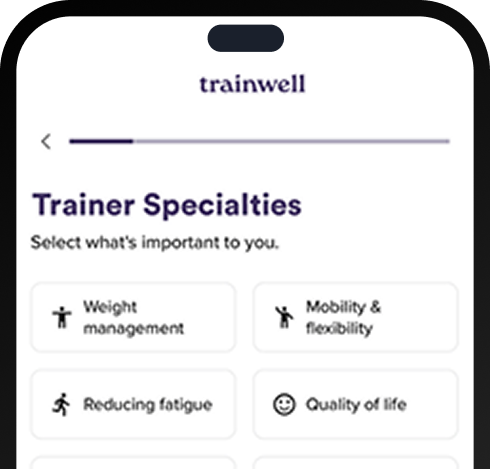
SYMLIPHY FITNESS
Workouts tailored to your level and goals.
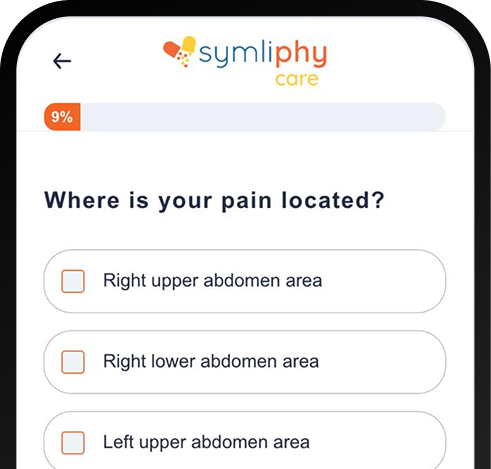
SYMLIPHY CARE
Professional guidance and health support.
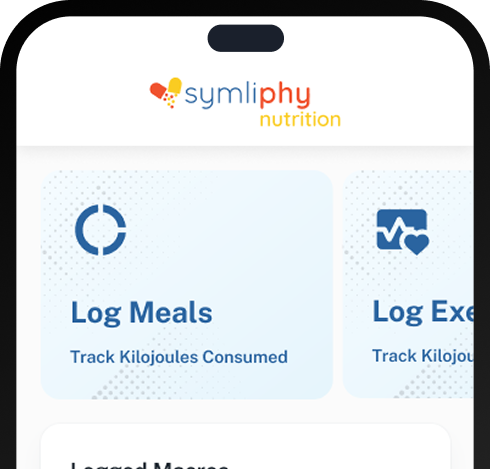
SYMLIPHY NUTRITION
Personalized meal plans developed by experts.


Save 10% or more when you bundle personalized fitness, care, and nutrition into one powerful plan.
$116.97
$129.97
Save 10% or more when you bundle personalized fitness, care, and nutrition into one powerful plan.
$116.97
$129.97

Be the First to Know
Get workout tips, fitness motivation, strength training advice, recovery strategies, and healthy living insights delivered straight to your inbox.
Related articles
Keep reading
What to expect from remote personal training
Symliphy Team
3 min read
What to change when your workouts feel stuck
Symliphy Team
3 min read
How to keep exercising while traveling
Symliphy Team
3 min read