Prediabetes testing and next steps
Learn what a prediabetes result means, which tests may be used, and how nutrition, activity, and follow-up fit into your next steps.
Symliphy Team · Written and reviewed by the Symliphy editorial team.
Published
Aug 4, 2026
Read
3 min
Prediabetes usually develops without clear symptoms. It is identified through blood testing and means glucose levels are above the usual range but do not meet the criteria for diabetes.
Why screening can matter
Many people feel well when their blood glucose begins to rise. A provider may discuss screening based on age, family history, pregnancy history, body composition, activity level, blood pressure, cholesterol, or conditions that affect how the body responds to insulin. Risk is personal, so one factor alone does not determine whether you have prediabetes.
Symptoms such as increased thirst, frequent urination, blurred vision, unexplained weight change, slow-healing sores, or unusual fatigue are worth discussing promptly. They do not prove that glucose is the cause. A clinician may need to evaluate other explanations and decide whether testing should occur sooner rather than waiting for a routine preventive visit.
Tests a provider may use
An A1C test estimates average blood glucose over the preceding months and generally does not require fasting. A fasting blood glucose test measures glucose after a period without food. An oral glucose tolerance test looks at how your body handles a glucose drink over time. Each test captures a different part of glucose regulation, so results do not always match perfectly.
A provider may repeat an abnormal result or use a second type of test before confirming a diagnosis, especially when you have no symptoms. Certain blood conditions, pregnancy, kidney or liver problems, recent blood loss, and other factors can affect how an A1C result is interpreted. Home glucose meters are useful in some care plans but are not a substitute for diagnostic laboratory testing.
Build an eating pattern you can maintain
There is no single prediabetes menu that fits everyone. A practical starting point is to build meals around vegetables, protein foods, fiber-rich carbohydrates, and fats in portions that fit your needs. Regular meals may make it easier to notice hunger and fullness than repeatedly skipping meals and then eating a large amount late in the day.
A registered dietitian can help translate broad advice into foods that match your culture, schedule, cooking skills, budget, and other health conditions. Bring a realistic picture of what you eat rather than a perfect sample day. The goal is to identify repeatable changes, such as adjusting beverages, adding fiber gradually, or planning convenient meals for the times when your routine usually breaks down.
Make movement practical
Physical activity helps muscles use glucose and supports heart, mobility, and mental health. Walking, cycling, swimming, strength work, and active household tasks can all contribute. If you are mostly inactive, starting with manageable sessions can make the change easier to sustain. A personal trainer can help adapt movements to your current fitness, space, equipment, and physical limitations.
Check with a health care provider before making a major activity change if you have chest symptoms, significant shortness of breath, dizziness, unstable joint problems, or a condition that affects exercise safety. Stop and seek urgent care for chest pressure, fainting, severe breathing difficulty, or sudden neurologic symptoms. Exercise should be adjusted around your health, not used to push through warning signs.
Plan your follow-up
Ask your provider what the test result means in your situation, whether it needs confirmation, and when it should be repeated. Review blood pressure, cholesterol, sleep, medications, and family history as part of the same conversation. Prediabetes is not a personal failure, and it cannot be understood from body weight or appearance alone.
Follow-up may include nutrition support, an activity plan, weight-management care, or discussion of medication when clinically appropriate. No single approach is right for every person. Seek prompt care if you develop persistent vomiting, confusion, severe weakness, trouble breathing, or an inability to keep fluids down, particularly when these symptoms occur with marked thirst or frequent urination.
START WITH SYMLIPHY PRODUCTS
Become Stronger. Healthier. More Energized.
You deserve better. Join Symliphy today and take the first step toward living better, longer.

ECOSYSTEM
Welcome to the Symliphy Ecosystem
Everything you need to live healthy. All in one place.

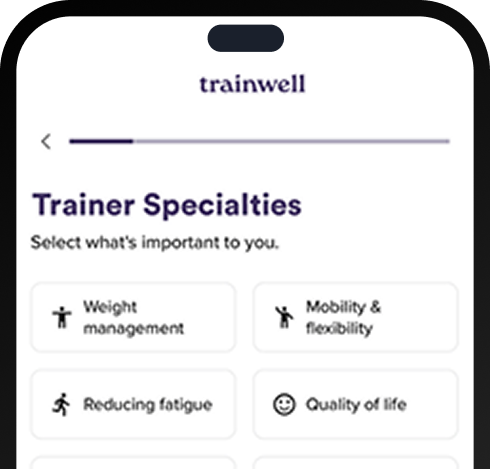
Symliphy Fitness
Workouts tailored to your level and goals.

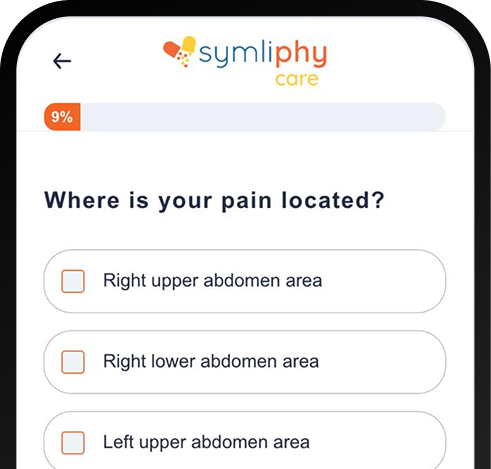
Symliphy Care
Professional guidance and health support.

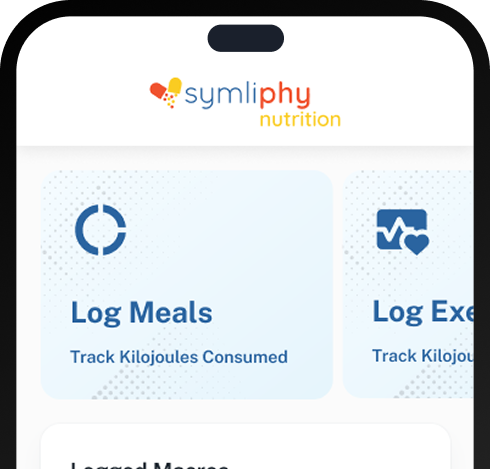
Symliphy Nutrition
Personalized meal plans developed by experts.
Save 10% or more when you bundle personalized fitness, care, and nutrition into one powerful plan
$116.97
$129.97
Save 10% or more when you bundle personalized fitness, care, and nutrition into one powerful plan
$116.97
$129.97

Be the First to Know
Get the latest health tips, wellness advice, nutrition insights, and fitness updates delivered straight to your inbox.
Related articles
Keep reading
Seasonal allergy symptoms and relief options
Symliphy Team
3 min read
Weekly meal planning for busy adults
Symliphy Team
3 min read
Managing common GLP-1 side effects safely
Symliphy Team
3 min read