
A practical approach to mindful eating for busy people
Use brief, realistic pauses to notice hunger, satisfaction, taste, and distractions without turning meals into another task.
Symliphy Team · Written and reviewed by the Symliphy editorial team.
Published
Aug 4, 2026
Read
2 min
Mindful eating means paying some attention to the experience of eating. It does not require silence, perfect concentration, or a long meal, and it should not become another set of restrictive rules.
Begin with one moment of attention
Choose a single point in the meal to pause. Before starting, notice your hunger and what the food smells or looks like. Halfway through, check whether you are still hungry, beginning to feel satisfied, or simply enjoying the food.
You do not need to rate sensations or stop at a predetermined level. Hunger and fullness can be difficult to identify during stress, illness, pregnancy, medication changes, or recovery from restrictive eating. Treat the pause as information rather than an instruction.
Reduce distraction where it is practical
Screens, work, driving, and multitasking can make it harder to notice taste and satisfaction. Try eating the first few bites without a screen, taking a real break for part of lunch, or sitting at a table when circumstances allow.
Distraction is not a moral failure, and some people need company, music, or a familiar show to feel comfortable eating. Parents, caregivers, and shift workers may rarely have an uninterrupted meal. Look for small improvements instead of demanding an ideal setting.
Pay attention to satisfaction
A meal can be nutritionally balanced and still leave you searching for something else if it lacks flavor, texture, or enough food. Notice whether you wanted something warm, crunchy, savory, sweet, or refreshing. Satisfaction is part of a useful meal plan.
Add flavor with sauces, spices, herbs, citrus, cheese, nuts, or other ingredients you enjoy. Include a desired food rather than repeatedly substituting items that do not meet the craving. This can make eating feel more complete and reduce ongoing preoccupation with food.
Use hunger cues with structure
Body cues are useful, but they are not the only valid reason to eat. You may need to eat before a long meeting, pack a snack for a commute, or have breakfast despite limited morning appetite. Planning ahead can prevent intense hunger later.
A regular meal pattern may help you reconnect with hunger and fullness if those cues feel unclear. Include balanced meals and planned snacks, then observe how your body responds. Structure and mindfulness can work together rather than competing.
Avoid turning awareness into control
Mindful eating should not require you to earn food, ignore hunger, or stop eating while still unsatisfied. It also should not be used to judge every bite. Flexibility matters because appetite naturally varies from one day to another.
If focusing closely on food increases anxiety, guilt, restriction, binge eating, or body checking, step back from the practice. People with an eating disorder history may benefit from structured guidance from an informed clinician or registered dietitian before using hunger and fullness exercises.
Symliphy Nutrition
Your Body. Your Goals. Your Plan.
Feel better, eat smarter, and take back control—with meal guidance that fits you.
Get Started NowWelcome to the Symliphy Ecosystem
Everything you need to live healthy. All in one place.
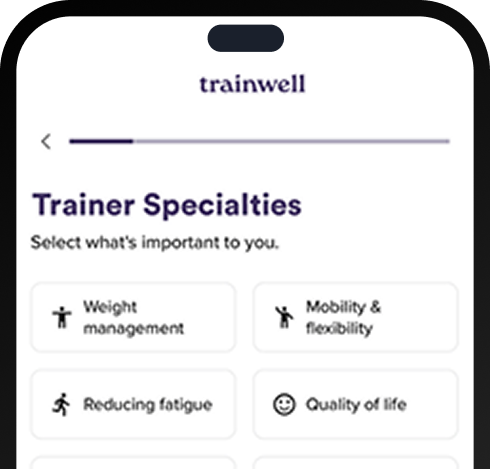
Symliphy Fitness
Workouts tailored to your level and goals.
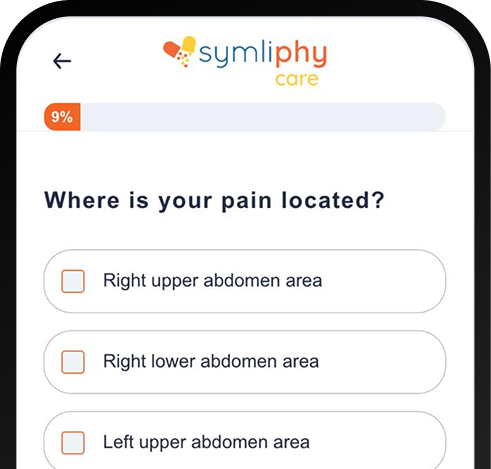
Symliphy Care
Professional guidance and health support.
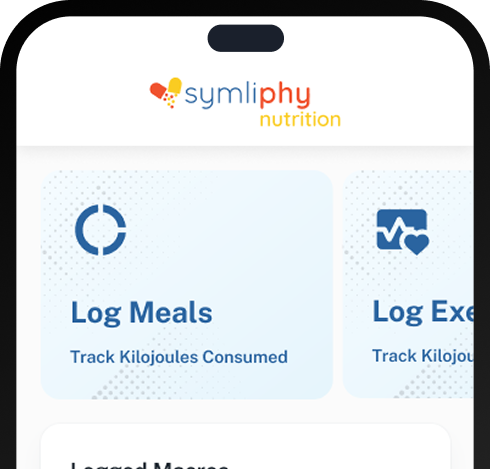
Symliphy Nutrition
Expert-developed personalized meal plans.
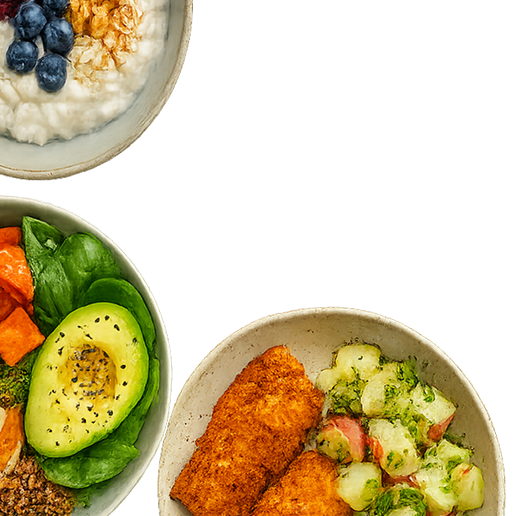

Save 10% or more when you bundle personalized fitness, care, and nutrition into one powerful plan.
$116.97
$129.97
Save 10% or more when you bundle personalized fitness, care, and nutrition into one powerful plan.
$116.97
$129.97

Be the First to Know
Get practical nutrition tips, healthy recipes, meal planning ideas, and wellness advice delivered straight to your inbox.
Related articles
Keep reading
Nutrition during menopause: What to focus on
Symliphy Team
2 min read
How to eat well when you do not like cooking
Symliphy Team
2 min read
A practical meal-planning guide for prediabetes
Symliphy Team
2 min read