Seasonal allergy symptoms and relief options
Learn how seasonal allergy patterns can differ from infection and when breathing or swelling symptoms require urgent care.
Symliphy Team · Written and reviewed by the Symliphy editorial team.
Published
Aug 4, 2026
Read
3 min
Seasonal allergies can affect your nose, eyes, throat, sleep, and daily concentration. Similar symptoms can occur with respiratory infections and asthma, so timing and associated symptoms matter.
Notice the symptom pattern
Seasonal allergy symptoms may include sneezing, a runny or stuffy nose, itchy or watery eyes, throat irritation, and postnasal drainage. Symptoms may appear after time outdoors, yard work, open-window driving, or exposure to a particular season's pollen. They can continue as long as the trigger remains present rather than following the shorter course of a typical viral illness.
Itching tends to support an allergy pattern, while fever, body aches, and marked fatigue may point a provider toward an infection or another cause. Mucus color alone cannot reliably identify the problem. Note whether symptoms occur at the same time each year, improve away from a location, or accompany coughing, wheezing, chest tightness, or shortness of breath.
Reduce exposure where practical
Check local pollen conditions if they help you plan outdoor tasks. Closing windows during high-exposure periods, using indoor air filtration, and changing clothes after extended outdoor activity may reduce what you bring into living spaces. Showering after heavy exposure can remove pollen from hair and skin. The goal is reasonable reduction, not avoiding the outdoors completely.
Keep pets that spend time outside away from pillows and bedding if their fur carries pollen indoors. Clean damp areas and replace air filters according to equipment instructions. Strong fragrances, smoke, and cleaning fumes are not pollen, but they may still irritate sensitive airways. Track which changes actually help before investing in extensive environmental products.
Use nonprescription products carefully
Allergy medicines come in oral, nasal, and eye-drop forms, and products within the same category can have different warnings. Some may cause drowsiness, dryness, or other side effects. Certain decongestant products may be unsuitable for people with high blood pressure, heart conditions, glaucoma, urinary problems, pregnancy, or medication interactions.
Read the Drug Facts label and check the active ingredient before combining products. Multi-symptom cold medicines may duplicate an allergy medicine or add ingredients you do not need. A pharmacist can help compare categories without choosing a treatment for you. Ask how to use any nasal product correctly, since technique and intended duration vary.
Know when a provider can help
Consider a primary care or telehealth visit when symptoms repeatedly disturb sleep, work, exercise, or daily activities, or when over-the-counter approaches are not helping. Bring a timeline of symptoms and a complete medication list. A provider may consider allergies, infection, asthma, medication effects, or structural nasal problems and decide whether in-person examination or testing is needed.
Persistent cough, wheezing, or chest tightness needs evaluation, especially if symptoms occur during exercise or at night. People with an existing asthma plan should follow the instructions given by their clinician. Do not assume that every spring or fall breathing problem is harmless simply because nasal allergies occur at the same time.
Recognize urgent warning signs
Call 911 for severe trouble breathing, swelling of the tongue or throat, fainting, confusion, blue or gray lips, or a rapidly spreading reaction involving more than one part of the body. These can be signs of a serious allergic reaction and are not appropriate for a routine telehealth visit.
Seek urgent in-person care for worsening wheezing, difficulty speaking in full sentences, chest pain, or breathing symptoms that do not respond to an existing rescue plan. Fever with significant breathing difficulty, severe facial swelling, eye pain, or major vision changes also needs prompt assessment. Mild seasonal symptoms can often wait for scheduled care, but breathing problems should not.
START WITH SYMLIPHY PRODUCTS
Become Stronger. Healthier. More Energized.
You deserve better. Join Symliphy today and take the first step toward living better, longer.

ECOSYSTEM
Welcome to the Symliphy Ecosystem
Everything you need to live healthy. All in one place.

Symliphy Fitness
Workouts tailored to your level and goals.


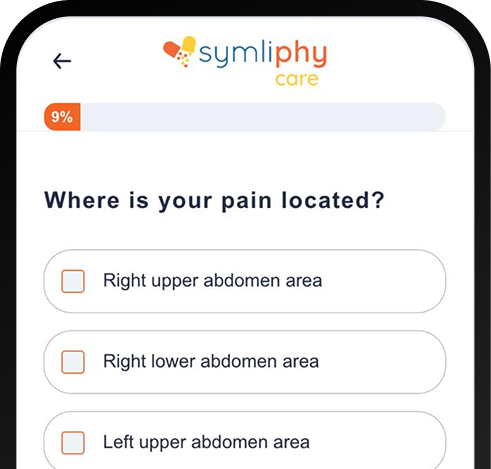
Symliphy Care
Professional guidance and health support.

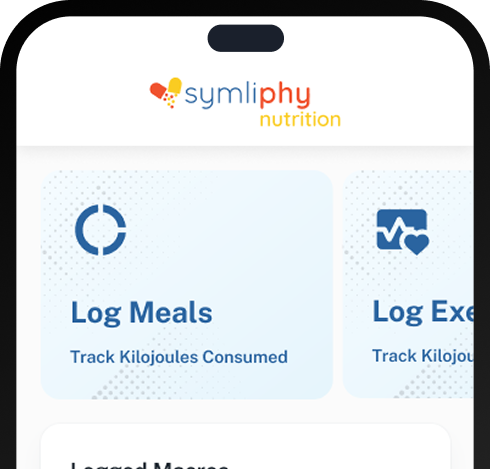
Symliphy Nutrition
Personalized meal plans developed by experts.
Save 10% or more when you bundle personalized fitness, care, and nutrition into one powerful plan
$116.97
$129.97
Save 10% or more when you bundle personalized fitness, care, and nutrition into one powerful plan
$116.97
$129.97

Be the First to Know
Get the latest health tips, wellness advice, nutrition insights, and fitness updates delivered straight to your inbox.
Related articles
Keep reading
Weekly meal planning for busy adults
Symliphy Team
3 min read
Managing common GLP-1 side effects safely
Symliphy Team
3 min read
How to build a safe medication list
Symliphy Team
3 min read