
How to build a balanced plate without counting calories
A flexible plate method can help you combine vegetables, protein, carbohydrates, and fats into satisfying everyday meals.
Symliphy Team · Written and reviewed by the Symliphy editorial team.
Published
Aug 4, 2026
Read
3 min
Balanced eating does not require perfect portions or detailed tracking. A simple plate framework can help you plan satisfying meals while leaving room for your preferences, culture, schedule, and appetite.
Start with a flexible framework
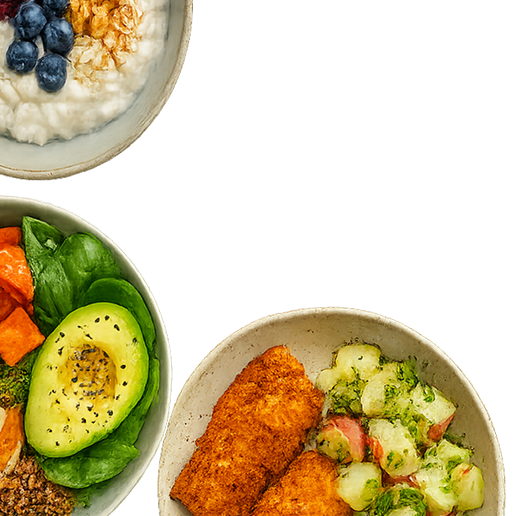
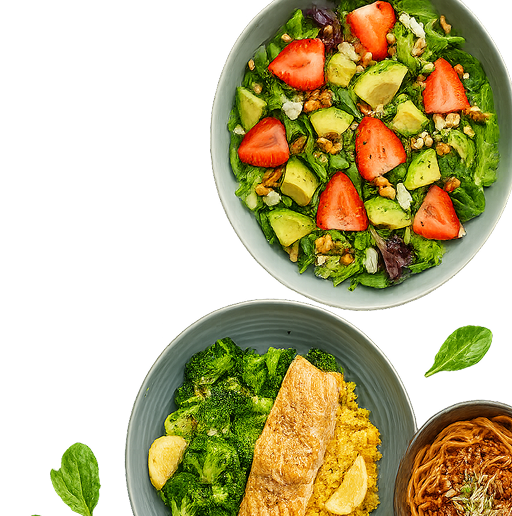
Think of your plate as a guide rather than a strict diagram. Include a generous portion of vegetables or fruit, a source of protein, a carbohydrate food, and some fat. These parts can appear separately, as they might in a dinner of fish, rice, and roasted vegetables, or together in a soup, sandwich, casserole, or grain bowl.
You do not need to divide every plate into exact fractions. Your needs may change with your hunger, activity, health goals, and the time since your last meal. The practical goal is to include enough variety that the meal provides energy, nutrients, and staying power.
Choose produce you will actually eat
Vegetables and fruit provide fiber, vitamins, minerals, and a wide range of flavors. Fresh produce is useful, but frozen and canned options can be just as practical. Frozen broccoli, berries, peas, and mixed vegetables require little preparation. Canned tomatoes, corn, or fruit can also work well; choose options with less added sodium or sugar when available.
Variety matters over time, not necessarily at every meal. You might have berries at breakfast, tomato soup at lunch, and green beans at dinner. If vegetables feel difficult to enjoy, try changing the preparation. Roasting, grilling, seasoning, or adding a flavorful sauce can make them more appealing than serving them plain.
Add protein and a useful carbohydrate
Protein can make a meal more filling and supports muscles and other body tissues. Options include poultry, fish, eggs, yogurt, cottage cheese, tofu, tempeh, beans, lentils, and lean meat. You can also combine smaller amounts from several foods, such as beans with cheese or yogurt with nuts.
Carbohydrate foods supply energy and can contribute fiber and important nutrients. Examples include potatoes, rice, oats, bread, pasta, corn, beans, fruit, and other grains. Whole-grain choices often provide more fiber, but refined grains can still fit. Combining carbohydrates with protein, fat, or fiber usually creates a more satisfying meal than eating a carbohydrate food alone.
Use fats and flavor intentionally
Fat contributes flavor, texture, and fullness. It also helps your body absorb certain vitamins. Common sources include olive oil, avocado, nuts, seeds, nut butter, cheese, and fatty fish. A meal does not need several added fats, but a modest amount can make vegetables, grains, and lean proteins more enjoyable.
Flavor also comes from herbs, spices, citrus, vinegar, garlic, onions, sauces, and condiments. These ingredients help a basic plate feel complete. If you are watching sodium, compare labels and use smaller amounts of salty sauces while building flavor with acid, herbs, and spices.
Adjust the plate to your needs
A balanced plate should respond to your body. If you remain hungry soon after eating, the meal may need more overall food, protein, carbohydrate, fat, or fiber. If a large meal feels uncomfortable, smaller portions with a planned snack later may work better. Notice patterns across several days instead of judging a single meal.
People with diabetes, kidney disease, digestive disorders, food allergies, pregnancy, or a history of an eating disorder may need a more individualized approach. A registered dietitian or healthcare provider can help adapt the framework without making meals unnecessarily restrictive.
Symliphy Nutrition
Your Body. Your Goals. Your Plan.
Feel better, eat smarter, and take back control—with meal guidance that fits you.
Get Started NowWelcome to the Symliphy Ecosystem
Everything you need to live healthy. All in one place.
Symliphy Fitness
Workouts tailored to your level and goals.
Symliphy Care
Professional guidance and health support.
Symliphy Nutrition
Expert-developed personalized meal plans.
Save 10% or more when you bundle personalized fitness, care, and nutrition into one powerful plan.
$116.97
$129.97
Save 10% or more when you bundle personalized fitness, care, and nutrition into one powerful plan.
$116.97
$129.97

Be the First to Know
Get practical nutrition tips, healthy recipes, meal planning ideas, and wellness advice delivered straight to your inbox.
Related articles
Keep reading
Nutrition during menopause: What to focus on
Symliphy Team
2 min read
How to eat well when you do not like cooking
Symliphy Team
2 min read
A practical meal-planning guide for prediabetes
Symliphy Team
2 min read