UTI symptoms and when to seek care
Learn which urinary symptoms are worth discussing with a provider, what an evaluation may involve, and when you need urgent in-person care.
Symliphy Team · Written and reviewed by the Symliphy editorial team.
Published
Aug 4, 2026
Read
3 min
Urinary symptoms can be uncomfortable and disruptive. Several conditions can cause similar problems, so the pattern of symptoms and your medical history both matter.
Common symptoms to notice
A urinary tract infection can affect the bladder, urethra, or kidneys. Signs worth discussing with a provider include burning or pain when you urinate, needing to urinate more often, passing only a small amount, or feeling an urgent need to go. You may also notice pressure or discomfort low in your abdomen. Urine can sometimes appear cloudy, have a stronger odor, or contain blood, but those changes can have causes other than an infection.
Pay attention to when the symptoms started and whether they are getting worse. Note any fever, chills, nausea, back pain, vaginal symptoms, penile discharge, new sexual exposure, or recent urinary procedure. These details help a provider distinguish a possible UTI from dehydration, irritation, a sexually transmitted infection, a kidney stone, or another problem. Symptoms alone cannot confirm the cause.
Why an evaluation may be needed
A provider may ask about previous UTIs, current medications, allergies, pregnancy, kidney problems, diabetes, and conditions that affect the immune system. Depending on your symptoms, you may be asked to provide a urine sample. Testing can look for signs of inflammation or bacteria, although the provider will interpret the result together with your history rather than relying on one finding.
Treatment decisions depend on where the problem may be located and whether there are factors that raise the risk of complications. Avoid using leftover prescription medicine or someone else's medication. The wrong medicine may not treat the cause, can create side effects, and may make later testing harder to interpret. If medicine is prescribed, ask what changes should prompt another call.
What you can do while arranging care
Drink fluids normally unless a clinician has told you to limit them because of a heart, kidney, or other condition. Do not force excessive amounts of water. It may help to avoid drinks that seem to worsen irritation, such as alcohol or highly caffeinated beverages. A heating pad placed over clothing may feel soothing, but it does not treat an infection.
Over-the-counter products marketed for urinary discomfort may temporarily change how symptoms feel, but they do not eliminate a bacterial infection. They may also change urine color and affect how you describe your symptoms. Check with a pharmacist or provider before using one, especially if you are pregnant, take other medicines, or have kidney disease. Continue to monitor for new fever, vomiting, or pain higher in the back or side.
When telehealth may be useful
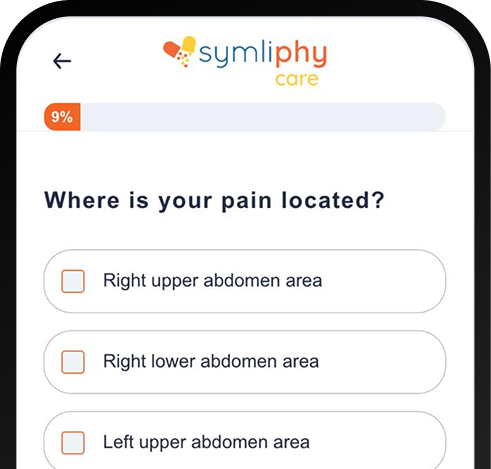
A telehealth visit can be a practical starting point for mild urinary symptoms when you otherwise feel stable. Be ready to describe the timing, location, and severity of your discomfort. Have your medication and allergy list available, along with the date of any recent UTI and the name of any treatment you received. The provider may arrange urine testing before making a treatment decision.
Some situations require an examination, urine culture, pregnancy test, or imaging that cannot be completed through video alone. A provider may direct you to a laboratory, clinic, or urgent care center. This does not mean the virtual visit failed. It means the information gathered remotely showed that hands-on evaluation would be safer or more useful.
When to seek urgent or in-person care
Seek prompt in-person care if urinary symptoms occur during pregnancy, if you have significant kidney disease, if you use a urinary catheter, or if your immune system is weakened. The same applies when symptoms keep returning, do not improve as expected, or occur with visible blood in the urine. Children and people with complex urinary conditions also need individualized evaluation.
Go to urgent care or an emergency department for fever with shaking chills, repeated vomiting, severe pain in the back or side, confusion, fainting, severe weakness, or an inability to keep fluids down. Call 911 for trouble breathing, loss of consciousness, or other signs of a medical emergency. These symptoms can signal that the problem extends beyond the bladder and should not wait for a routine virtual appointment.
START WITH SYMLIPHY PRODUCTS
Become Stronger. Healthier. More Energized.
You deserve better. Join Symliphy today and take the first step toward living better, longer.

ECOSYSTEM
Welcome to the Symliphy Ecosystem
Everything you need to live healthy. All in one place.

Symliphy Fitness
Workouts tailored to your level and goals.


Symliphy Care
Professional guidance and health support.

Symliphy Nutrition
Personalized meal plans developed by experts.

Save 10% or more when you bundle personalized fitness, care, and nutrition into one powerful plan
$116.97
$129.97
Save 10% or more when you bundle personalized fitness, care, and nutrition into one powerful plan
$116.97
$129.97

Be the First to Know
Get the latest health tips, wellness advice, nutrition insights, and fitness updates delivered straight to your inbox.
Related articles
Keep reading
Seasonal allergy symptoms and relief options
Symliphy Team
3 min read
Weekly meal planning for busy adults
Symliphy Team
3 min read
Managing common GLP-1 side effects safely
Symliphy Team
3 min read